Overview
Infectious Diseases Care at Mayo Clinic
Our caring teams of professionals offer expert care to people with infectious diseases, injuries and illnesses.
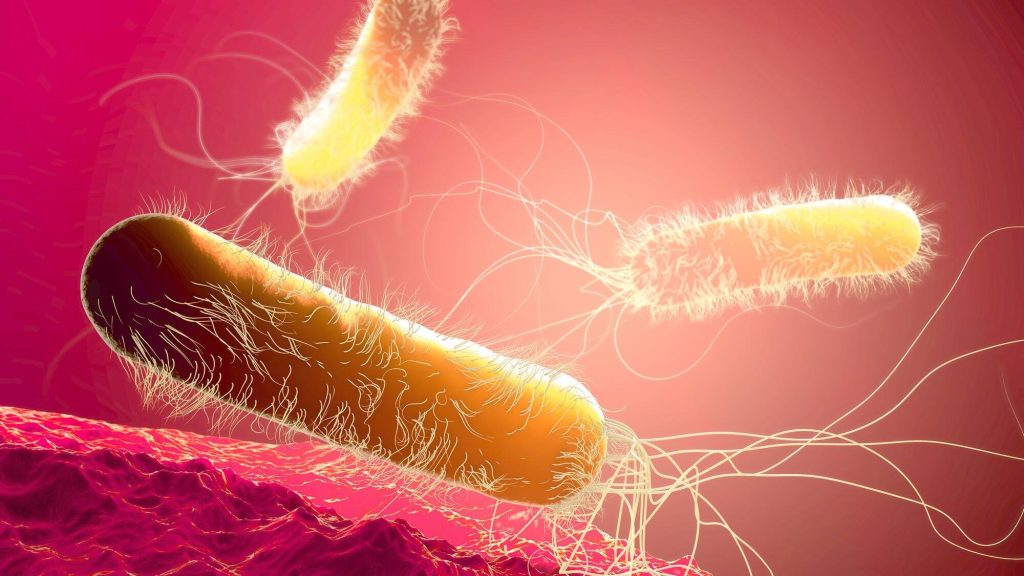
Infectious diseases are disorders caused by organisms — such as bacteria, viruses, fungi or parasites. Many organisms live in and on our bodies. They're normally harmless or even helpful. But under certain conditions, some organisms may cause disease.
Some infectious diseases can be passed from person to person. Some are transmitted by insects or other animals. And you may get others by consuming contaminated food or water or being exposed to organisms in the environment.
Signs and symptoms vary depending on the organism causing the infection, but often include fever and fatigue. Mild infections may respond to rest and home remedies, while some life-threatening infections may need hospitalization.
Many infectious diseases, such as measles and chickenpox, can be prevented by vaccines. Frequent and thorough hand-washing also helps protect you from most infectious diseases.
Symptoms
Each infectious disease has its own specific signs and symptoms. General signs and symptoms common to a number of infectious diseases include:
- Fever
- Diarrhea
- Fatigue
- Muscle aches
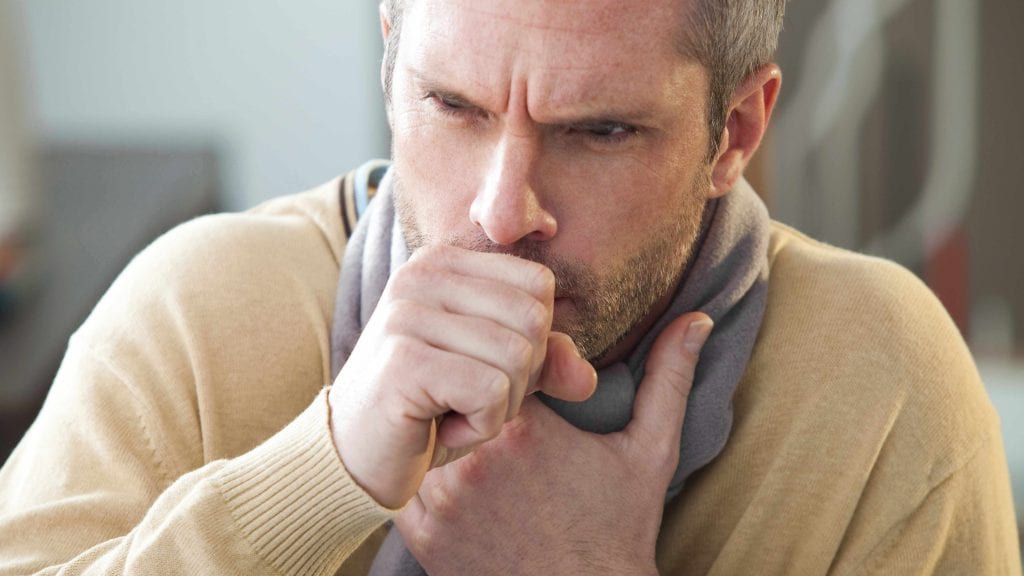
- Coughing
When to see a doctor
Seek medical attention if you:
- Have been bitten by an animal
- Are having trouble breathing
- Have been coughing for more than a week
- Have severe headache with fever
- Experience a rash or swelling
- Have unexplained or prolonged fever
- Have sudden vision problems
From Mayo Clinic to your inbox
Causes
Infectious diseases can be caused by:
- Bacteria. These one-cell organisms are responsible for illnesses such as strep throat, urinary tract infections and tuberculosis.
- Viruses. Even smaller than bacteria, viruses cause a multitude of diseases ranging from the common cold to AIDS.
- Fungi. Many skin diseases, such as ringworm and athlete's foot, are caused by fungi. Other types of fungi can infect your lungs or nervous system.
- Parasites. Malaria is caused by a tiny parasite that is transmitted by a mosquito bite. Other parasites may be transmitted to humans from animal feces.
Direct contact
An easy way to catch most infectious diseases is by coming in contact with a person or an animal with the infection. Infectious diseases can be spread through direct contact such as:
-
Person to person. Infectious diseases commonly spread through the direct transfer of bacteria, viruses or other germs from one person to another. This can happen when an individual with the bacterium or virus touches, kisses, or coughs or sneezes on someone who isn't infected.
These germs can also spread through the exchange of body fluids from sexual contact. The person who passes the germ may have no symptoms of the disease, but may simply be a carrier.
- Animal to person. Being bitten or scratched by an infected animal — even a pet — can make you sick and, in extreme circumstances, can be fatal. Handling animal waste can be hazardous, too. For example, you can get a toxoplasmosis infection by scooping your cat's litter box.
- Mother to unborn child. A pregnant woman may pass germs that cause infectious diseases to her unborn baby. Some germs can pass through the placenta or through breast milk. Germs in the vagina can also be transmitted to the baby during birth.
Indirect contact
Disease-causing organisms also can be passed by indirect contact. Many germs can linger on an inanimate object, such as a tabletop, doorknob or faucet handle.
When you touch a doorknob handled by someone ill with the flu or a cold, for example, you can pick up the germs he or she left behind. If you then touch your eyes, mouth or nose before washing your hands, you may become infected.
Insect bites
Some germs rely on insect carriers — such as mosquitoes, fleas, lice or ticks — to move from host to host. These carriers are known as vectors. Mosquitoes can carry the malaria parasite or West Nile virus. Deer ticks may carry the bacterium that causes Lyme disease.
Food contamination
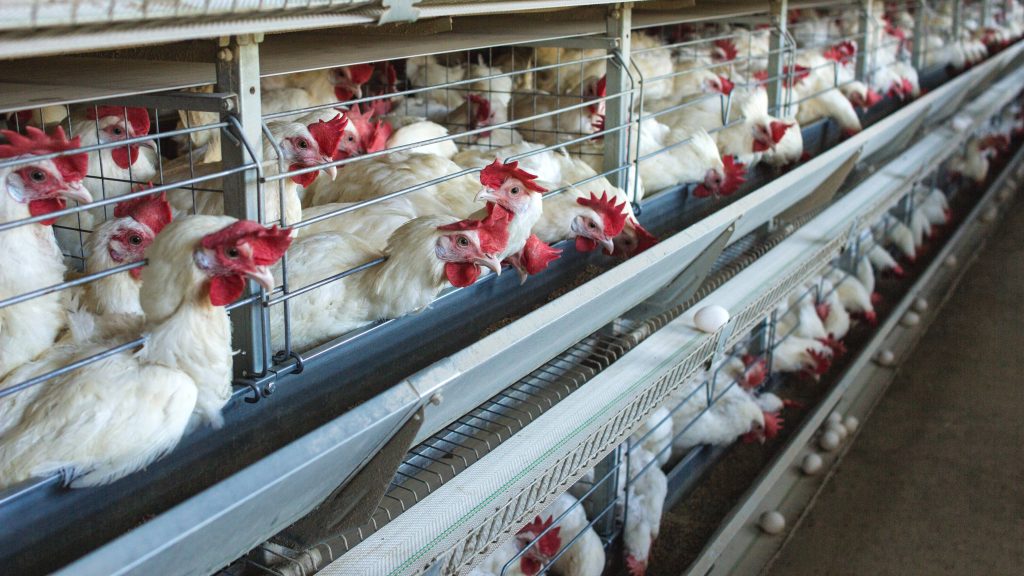
Disease-causing germs can also infect you through contaminated food and water. This mechanism of transmission allows germs to be spread to many people through a single source. Escherichia coli (E. coli), for example, is a bacterium present in or on certain foods — such as undercooked hamburger or unpasteurized fruit juice.
Risk factors
While anyone can catch infectious diseases, you may be more likely to get sick if your immune system isn't working properly. This may occur if:
- You're taking steroids or other medications that suppress your immune system, such as anti-rejection drugs for a transplanted organ
- You have HIV or AIDS
- You have certain types of cancer or other disorders that affect your immune system
In addition, certain other medical conditions may predispose you to infection, including implanted medical devices, malnutrition and extremes of age, among others.
Complications
Most infectious diseases have only minor complications. But some infections — such as pneumonia, AIDS and meningitis — can become life-threatening. A few types of infections have been linked to a long-term increased risk of cancer:
- Human papillomavirus is linked to cervical cancer
- Helicobacter pylori is linked to stomach cancer and peptic ulcers
- Hepatitis B and C have been linked to liver cancer
In addition, some infectious diseases may become silent, only to appear again in the future — sometimes even decades later. For example, someone who's had chickenpox may develop shingles much later in life.
Prevention
Follow these tips to decrease the risk of infection:
- Wash your hands. This is especially important before and after preparing food, before eating, and after using the toilet. And try not to touch your eyes, nose or mouth with your hands, as that's a common way germs enter the body.
- Get vaccinated. Vaccination can drastically reduce your chances of contracting many diseases. Make sure to keep up to date on your recommended vaccinations, as well as your children's.
- Stay home when ill. Don't go to work if you are vomiting, have diarrhea or have a fever. Don't send your child to school if he or she has these signs, either.
-
Prepare food safely. Keep counters and other kitchen surfaces clean when preparing meals. Cook foods to the proper temperature, using a food thermometer to check for doneness. For ground meats, that means at least 160 F (71 C); for poultry, 165 F (74 C); and for most other meats, at least 145 F (63 C).
Also promptly refrigerate leftovers — don't let cooked foods remain at room temperature for long periods of time.
- Practice safe sex. Always use condoms if you or your partner has a history of sexually transmitted infections or high-risk behavior.
- Don't share personal items. Use your own toothbrush, comb and razor. Avoid sharing drinking glasses or dining utensils.
- Travel wisely. If you're traveling out of the country, talk to your doctor about any special vaccinations — such as yellow fever, cholera, hepatitis A or B, or typhoid fever — you may need.