Overview
Plan B One-Step
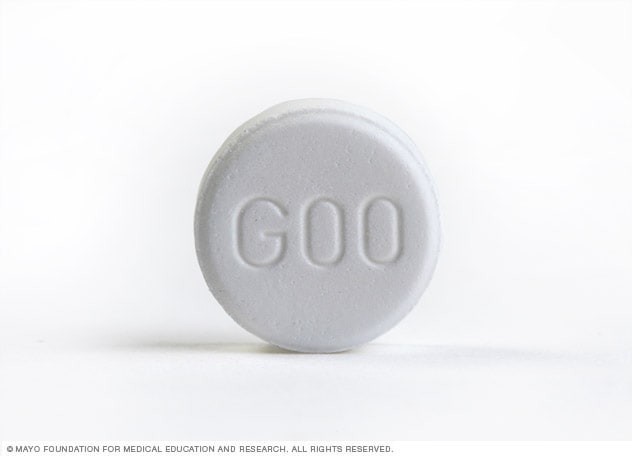
Plan B One-Step
Plan B One-Step is a type of morning-after pill that can be used after unprotected sex to prevent pregnancy. Plan B One-Step contains the hormone levonorgestrel — a progestin — which can prevent ovulation, block fertilization or keep a fertilized egg from implanting in the uterus.
The morning-after pill is a type of emergency birth control (contraception). Emergency contraception is used to prevent pregnancy for women who've had unprotected sex or whose birth control method has failed.
The morning-after pill is intended for backup contraception only, not as a primary method of birth control. Morning-after pills contain either levonorgestrel (Plan B One-Step) or ulipristal acetate (ella).
Levonorgestrel is available over-the-counter without a prescription; ulipristal acetate is available only with a prescription.
Why it's done
Morning-after pills can help prevent pregnancy if you've had unprotected sex — either because you didn't use birth control, you missed a birth control pill, you were sexually assaulted or your method of birth control failed.
Morning-after pills do not end a pregnancy that has implanted. They work primarily by delaying or preventing ovulation.
Keep in mind that the morning-after pill isn't the same as mifepristone (Mifeprex), also known as RU-486 or the abortion pill. This drug terminates an established pregnancy — one in which the fertilized egg has attached to the uterine wall and has begun to develop.
Risks
Emergency contraception is an effective option for preventing pregnancy after unprotected sex, but it isn't as effective as other methods of contraception and isn't recommended for routine use. Also, the morning-after pill can fail even with correct use, and it offers no protection against sexually transmitted infections.
The morning-after pill isn't appropriate for everyone. Don't take a morning-after pill if:
- You're allergic to any component of the morning-after pill
- You're taking certain medications that can decrease the effectiveness of the morning-after pill, such as barbiturates or St. John's wort
If you're overweight or obese, there's some indication that the morning-after pill won't be as effective in preventing pregnancy as it is for women who aren't overweight.
Also, make sure you're not pregnant before using ulipristal. The effects of ulipristal on a developing baby are unknown. If you're breast-feeding, ulipristal isn't recommended.
Side effects of the morning-after pill, which typically last only a few days, might include:
- Nausea or vomiting
- Dizziness
- Fatigue
- Headache
- Breast tenderness
- Bleeding between periods or heavier menstrual bleeding
- Lower abdominal pain or cramps
How you prepare
For maximum effectiveness, emergency contraception should be started as soon as possible after unprotected intercourse, and within 120 hours. You can take emergency contraceptive pills anytime during your menstrual cycle.
What you can expect
To use the morning-after pill:
- Follow the morning-after pill's instructions. If you use Plan B One-Step, take one Plan B One-Step pill as soon as possible and less than 72 hours after unprotected sex. If you use ella, take one ella pill as soon as possible and less than 120 hours after unprotected sex.
- If you vomit within two hours after taking the morning-after pill, ask your health care provider if you should take another dose.
- Don't have sex until you start another method of birth control. The morning-after pill doesn't offer lasting protection from pregnancy. If you have unprotected sex in the days and weeks after taking the morning-after pill, you're at risk of becoming pregnant. Be sure to begin using or resume use of birth control.
Using the morning-after pill may delay your period by up to one week. If you don't get your period within three to four weeks of taking the morning-after pill, take a pregnancy test.
Normally, you don't need to contact your health care provider after using the morning-after pill. However, if you have bleeding or spotting that lasts longer than a week or develop severe lower abdominal pain three to five weeks after taking the morning-after pill, contact him or her. These can indicate a miscarriage or that the fertilized egg has implanted outside the uterus, usually in a fallopian tube (ectopic pregnancy).