Overview
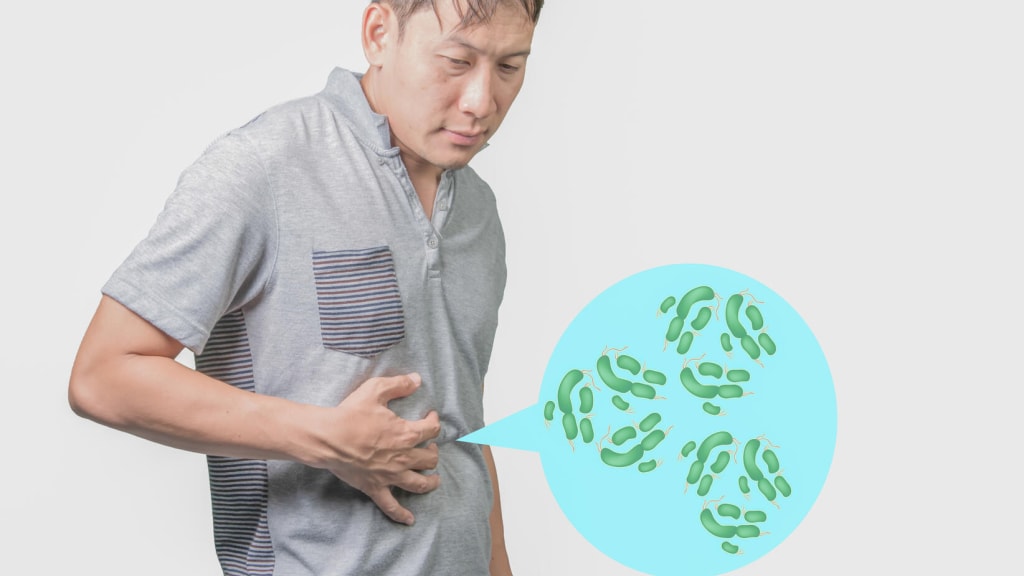
Salmonella infection (salmonellosis) is a common bacterial disease that affects the intestinal tract. Salmonella bacteria typically live in animal and human intestines and are shed through stool (feces). Humans become infected most frequently through contaminated water or food.
Some people with salmonella infection have no symptoms. Most people develop diarrhea, fever and stomach (abdominal) cramps within 8 to 72 hours after exposure. Most healthy people recover within a few days to a week without specific treatment.
In some cases, diarrhea can cause severe dehydration and requires prompt medical attention. Life-threatening complications also may develop if the infection spreads beyond the intestines. The risk of getting salmonella infection is higher with travel to countries without clean drinking water and proper sewage disposal.
Symptoms
Salmonella infection is usually caused by eating raw or undercooked meat, poultry, and eggs or egg products or by drinking unpasteurized milk. The incubation period — the time between exposure and illness — can be 6 hours to 6 days. Often, people who have salmonella infection think they have the stomach flu.
Possible signs and symptoms of salmonella infection include:
- Diarrhea
- Stomach (abdominal) cramps
- Fever
- Nausea
- Vomiting
- Chills
- Headache
- Blood in the stool
Signs and symptoms of salmonella infection generally last a few days to a week. Diarrhea may last up to 10 days, but it may take several months before bowels return to usual stool habits.
A few varieties of salmonella bacteria result in typhoid fever, a sometimes deadly disease that is more common in developing countries.
When to see a doctor
Most people don't need to seek medical attention for salmonella infection because it clears up on its own within a few days.
However, if the affected person is an infant, young child, older adult or someone with a weakened immune system, call a health care provider if illness:
- Lasts more than a few days
- Is associated with high fever or bloody stools
- Appears to be causing dehydration, with signs such as such as urinating less than usual, dark-colored urine and having a dry mouth and tongue
From Mayo Clinic to your inbox
Causes
Salmonella bacteria live in the intestines of people, animals and birds. Most people are infected with salmonella by consuming food or water that has been contaminated by feces.
Infected food and water
Commonly infected foods include:
- Raw meat, poultry and seafood. Feces may get onto raw meat and poultry during the butchering process. Seafood may be contaminated if harvested from contaminated water.
- Raw or undercooked eggs. While an egg's shell may seem to be a perfect barrier to contamination, some infected chickens produce eggs that contain salmonella before the shell is even formed. Raw eggs are used in homemade versions of foods such as mayonnaise and hollandaise sauce.
- Unpasteurized dairy products. Unpasteurized milk and milk products — sometimes called raw milk — may be contaminated with salmonella. The pasteurization process kills harmful bacteria, including salmonella.
- Fruits and vegetables. Some fresh produce, particularly imported varieties, may be irrigated in the field or washed during processing with water contaminated with salmonella. Contamination can also occur in the kitchen, when juices from raw meat and poultry come into contact with uncooked foods, such as salads.
Improperly handled food
Many foods become contaminated when prepared by people who don't wash their hands thoroughly after using the toilet or changing a diaper or after handling contaminated food.
Infected surfaces
Infection can also occur if people touch something that is contaminated and then put their fingers in their mouths.
Infected pets and other animals
Animals and pets, especially birds and reptiles, may carry salmonella bacteria on their feathers, fur or skin or in their feces. Some pet foods may be contaminated with salmonella and can infect animals.
Risk factors
Factors that may increase your risk of salmonella infection include:
- Activities that may bring you into closer contact with salmonella bacteria
- Health problems that may weaken your resistance to infection in general
Increased exposure
- International travel. Salmonella infection, including varieties that cause typhoid fever, is more common in developing countries with poor sanitation.
- Owning, handling or petting animals. Some animals, particularly birds and reptiles, can carry salmonella bacteria. Salmonella can also be found in animal pens, tanks, cages and litter boxes.
Stomach or bowel disorders
The body has many natural defenses against salmonella infection. For example, strong stomach acid can kill many types of salmonella bacteria. But some medical problems or medications can short-circuit these natural defenses.
Examples include:
- Antacids. Lowering the stomach's acidity allows more salmonella bacteria to survive.
- Inflammatory bowel disease. This disorder damages the lining of your intestines, which makes it easier for salmonella bacteria to take hold.
- Recent use of antibiotics. This can reduce the number of "good" bacteria in your intestines, which may impair your ability to fight off a salmonella infection.
Immune problems
Some medical problems or medications appear to increase your risk of catching salmonella by weakening your immune system. This interferes with your body's ability to fight infection and disease. Examples include:
- HIV/AIDS
- Sickle cell disease
- Malaria
- Anti-rejection drugs taken after organ transplants
- Corticosteroids
Complications
Salmonella infection usually isn't life-threatening. However, in certain people — especially infants and young children, older adults, transplant recipients, pregnant women, and people with weakened immune systems — the development of complications can be dangerous.
Dehydration
If you can't drink enough to replace the fluid you're losing from diarrhea, you may become dehydrated. Warning signs include:
- Urinating less than usual or dark-colored urine
- Dry mouth and tongue
- Sunken eyes
- No tears when crying
- Being more tired than usual
- Irritability or confusion
Bacteremia
If salmonella infection enters your bloodstream (bacteremia), it can infect tissues throughout your body, including:
- The urinary system (urinary tract infection)
- The tissues surrounding the brain and spinal cord (meningitis)
- The lining of the heart or valves (endocarditis)
- The bones or bone marrow (osteomyelitis)
- The lining of blood vessels, especially if you've had a vascular graft, such as heart vessel bypass surgery
Reactive arthritis
People who have had salmonella are at higher risk of developing reactive arthritis from salmonella infection. Also known as Reiter's syndrome, reactive arthritis typically causes:
- Eye irritation
- Painful urination
- Painful joints
Prevention
The U.S. Department of Agriculture (USDA) oversees and updates inspection, sampling and testing programs for poultry and meat. The purpose is to cut the number of salmonella infections in the United States.
You can avoid getting salmonella and spreading bacteria to others in several ways, including safely preparing food, hand-washing, avoiding contamination, and not eating raw meat, dairy or egg products.
Preventive methods are especially important when preparing food or providing care for infants, older adults and people with weakened immune systems.
Wash your hands
Washing your hands thoroughly can help prevent the transfer of salmonella bacteria to your mouth or to any food you're preparing. Wash your hands with soap and water for 20 seconds after you:
- Use the toilet
- Change a diaper
- Handle raw meat or poultry
- Clean up pet feces
- Touch pets or other animals and their habitats, especially reptiles or birds
Keep things separate
To prevent cross-contamination:
- Store raw meat, poultry and seafood away from other foods in your refrigerator
- If possible, have two cutting boards in your kitchen — one for raw meat and the other for fruits and vegetables
- Never place cooked food on an unwashed plate that previously held raw meat
- Wash food preparation surfaces thoroughly with soap and water
Avoid eating raw eggs
Homemade cookie dough, ice cream, mayonnaise, hollandaise sauce and eggnog all contain raw eggs. If you must consume raw eggs, make sure they've been pasteurized.
Cook and store food properly
Be sure to cook food thoroughly and refrigerate or freeze food promptly.