Overview
The liver
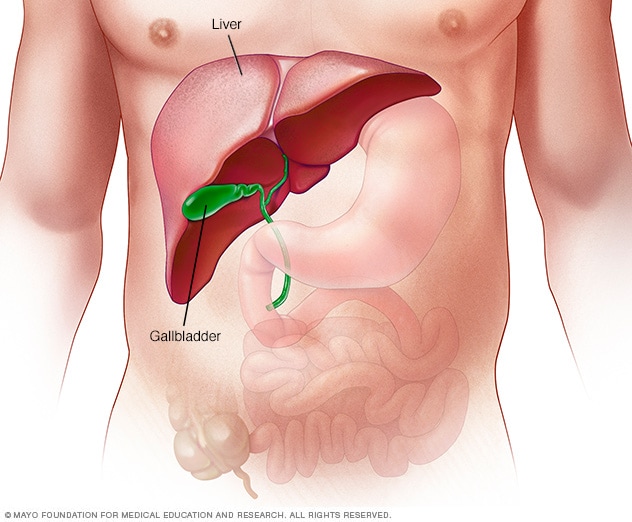
The liver
The liver is the largest internal organ in the body. It's about the size of a football. It sits mainly in the upper right portion of the stomach area, above the stomach.
Toxic hepatitis is an inflammation of your liver in reaction to certain substances to which you're exposed. Toxic hepatitis can be caused by alcohol, chemicals, drugs or nutritional supplements.
In some cases, toxic hepatitis develops within hours or days of exposure to a toxin. In other cases, it may take months of regular use before signs and symptoms appear.
The symptoms of toxic hepatitis often go away when exposure to the toxin stops. But toxic hepatitis can permanently damage your liver, leading to irreversible scarring of liver tissue (cirrhosis) and in some cases to liver failure, which can be life-threatening.
Products & Services
Symptoms
Mild forms of toxic hepatitis may not cause any symptoms and may be detected only by blood tests. When signs and symptoms of toxic hepatitis occur, they may include:
- Yellowing of the skin and whites of the eyes (jaundice)
- Itching
- Abdominal pain in the upper right portion of the abdomen
- Fatigue
- Loss of appetite
- Nausea and vomiting
- Rash
- Fever
- Weight loss
- Dark or tea-colored urine
When to see a doctor
See your doctor right away if you have any signs or symptoms that worry you.
Overdoses of some medications, such as acetaminophen (Tylenol, others), can lead to liver failure. Get immediate medical care if you think an adult or a child has taken an overdose of acetaminophen. Signs and symptoms of a possible acetaminophen overdose include:
- Loss of appetite
- Nausea and vomiting
- Upper abdominal pain
- Coma
If you suspect an acetaminophen overdose, immediately call 911, your local emergency services, or the poison help line. There are two ways to get help from Poison Control in the U.S: online at www.poison.org or by calling 800-222-1222. Both options are free, confidential, and available 24 hours a day. Do not wait for symptoms to develop. An acetaminophen overdose can be fatal but can be successfully treated if addressed early after ingestion.
Causes
Toxic hepatitis occurs when your liver develops inflammation because of exposure to a toxic substance. Toxic hepatitis may also develop when you take too much of a prescription or over-the-counter medication.
The liver normally removes and breaks down most drugs and chemicals from your bloodstream. Breaking down toxins creates byproducts that can damage the liver. Although the liver has a great capacity for regeneration, constant exposure to toxic substances can cause serious, sometimes irreversible harm.
Toxic hepatitis can be caused by:
- Alcohol. Heavy drinking over many years can lead to alcoholic hepatitis — inflammation in the liver due to alcohol, which can lead to liver failure.
- Over-the-counter pain relievers. Nonprescription pain relievers such as acetaminophen (Tylenol, others), aspirin, ibuprofen (Advil, Motrin IB, others) and naproxen (Aleve, others) can damage your liver, especially if taken frequently or combined with alcohol.
- Prescription medications. Some medications linked to serious liver injury include the statin drugs used to treat high cholesterol, the combination drug amoxicillin-clavulanate (Augmentin), phenytoin (Dilantin, Phenytek), azathioprine (Azasan, Imuran), niacin (Niaspan), ketoconazole, certain antivirals and anabolic steroids. There are many others.
- Herbs and supplements. Some herbs considered dangerous to the liver include aloe vera, black cohosh, cascara, chaparral, comfrey, kava and ephedra. There are many others. Children can develop liver damage if they mistake vitamin supplements for candy and take large doses.
- Industrial chemicals. Chemicals you may be exposed to on the job can cause liver injury. Common chemicals that can cause liver damage include the dry cleaning solvent carbon tetrachloride, a substance called vinyl chloride (used to make plastics), the herbicide paraquat and a group of industrial chemicals called polychlorinated biphenyls.
Risk factors
Factors that may increase your risk of toxic hepatitis include:
- Taking over-the-counter pain relievers or certain prescription drugs. Taking a medication or over-the-counter pain reliever that carries a risk of liver damage increases your risk of toxic hepatitis. This is especially true if you take multiple medications or take more than the recommended dose of medication.
- Having a liver disease. Having a serious liver disorder such as cirrhosis or nonalcoholic fatty liver disease makes you much more susceptible to the effects of toxins.
- Having hepatitis. Chronic infection with a hepatitis virus (hepatitis B, hepatitis C or one of the other — extremely rare — hepatitis viruses that may persist in the body) makes your liver more vulnerable.
- Aging. As you age, your liver breaks down harmful substances more slowly. This means that toxins and their byproducts stay in your body longer.
- Drinking alcohol. Drinking alcohol while taking medications or certain herbal supplements increases the risk of toxicity.
- Being female. Because women seem to metabolize certain toxins more slowly than men do, their livers are exposed to higher blood concentrations of harmful substances for a longer time. This increases the risk of toxic hepatitis.
- Having certain genetic mutations. Inheriting certain genetic mutations that affect the production and action of the liver enzymes that break down toxins may make you more susceptible to toxic hepatitis.
- Working with industrial toxins. Working with certain industrial chemicals puts you at risk of toxic hepatitis.
Complications
Healthy liver vs. liver cirrhosis
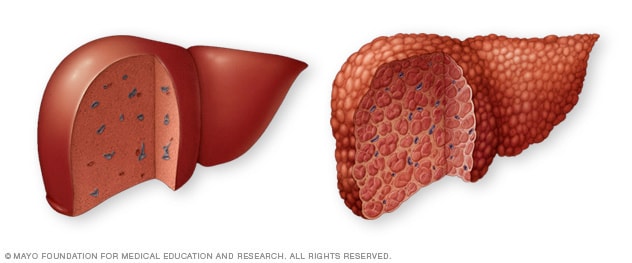
Healthy liver vs. liver cirrhosis
A healthy liver, at left, shows no signs of scarring. In cirrhosis, at right, scar tissue replaces healthy liver tissue.
The inflammation associated with toxic hepatitis can lead to liver damage and scarring. Over time, this scarring, called cirrhosis, makes it difficult for your liver to do its job. Eventually cirrhosis leads to liver failure. The only treatment for chronic liver failure is to replace your liver with a healthy one from a donor (liver transplant).
Prevention
Because it's not possible to know how you'll react to a particular medication, toxic hepatitis can't always be prevented. But you may reduce your risk of liver problems if you:
- Limit medications. Take prescription and nonprescription drugs only when absolutely necessary. Investigate nondrug options for common problems such as high blood pressure, high cholesterol and arthritis pain.
- Take medications only as directed. Follow the directions exactly for any drug you take. Don't exceed the recommended amount, even if your symptoms don't seem to improve. Because the effects of over-the-counter pain relievers sometimes wear off quickly, it's easy to take too much.
- Be cautious with herbs and supplements. Don't assume that a natural product won't cause harm. Discuss the benefits and risks with your doctor before taking herbs and supplements. The National Institutes of Health maintains the LiverTox website, where you can look up medications and supplements to see if they're linked to liver damage.
- Don't mix alcohol and drugs. Alcohol and medications are a bad combination. If you're taking acetaminophen, don't drink alcohol. Ask your doctor or pharmacist about the interaction between alcohol and other prescription and nonprescription drugs you use.
- Take precautions with chemicals. If you work with or use hazardous chemicals, take all necessary precautions to protect yourself from exposure. If you do come in contact with a harmful substance, follow the guidelines in your workplace, or call your local emergency services or your local poison control center for help.
- Keep medications and chemicals away from children. Keep all medications and vitamin supplements away from children and in childproof containers so that children can't accidentally swallow them.